



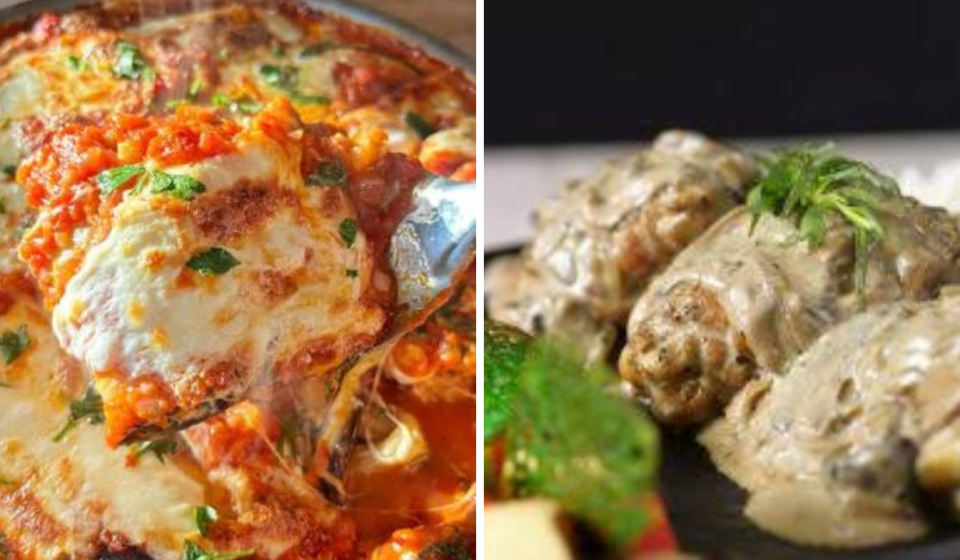

Falotani taste has become a topic of curiosity for many people searching online, but reliable information about it remains limited. Depending on where the term is used, it may refer to a regional food, a specialty product, or a unique flavor associated with a local tradition. Because there is no universally accepted definition, people often look for detailed explanations before deciding whether they want to try it. Understanding the context behind falotani taste is the first step toward appreciating its distinctive character.
Many food enthusiasts enjoy exploring unfamiliar flavors, and has attracted attention for that reason. Whether it appears in online discussions or local conversations, the name suggests something different from everyday food experiences. Rather than expecting a single standard flavor, it is helpful to think of falotani taste as a description that may vary depending on ingredients, preparation methods, and regional influences.
How Would You Describe Falotani Taste?
The best way to describe is as a balanced combination of savory, mildly sweet, and aromatic notes, although the exact flavor can differ. Some people compare it to traditional comfort foods that offer warmth and richness without becoming overly spicy or overpowering. The texture and freshness of the ingredients also influence the overall eating experience, making every version slightly unique.
Falotani taste is often appreciated because it does not rely on one dominant flavor. Instead, different ingredients work together to create a layered profile that develops with every bite. This complexity makes the flavor enjoyable for people who appreciate subtle changes in taste rather than intense seasoning or excessive sweetness.
What Influences Falotani Taste?
Several factors determine the final falotani taste, including ingredient quality, cooking techniques, and seasoning choices. Fresh herbs, carefully selected spices, and balanced preparation methods all contribute to the finished flavor. Even small adjustments in ingredient proportions can noticeably change the overall result while maintaining the dish’s general identity.
Regional cooking traditions also play an important role in shaping falotani taste. Families and communities often pass recipes through generations, adding their own personal touches along the way. As a result, two versions prepared in different locations may taste similar in spirit while still offering unique characteristics that reflect local preferences.
Is Falotani Taste Sweet, Salty, or Spicy?
People frequently wonder whether is sweet, salty, or spicy, but the answer is usually a combination rather than a single category. Most descriptions suggest that it offers a balanced flavor with gentle savory notes, mild sweetness, and only a light level of spice if any is included. This balance makes it approachable for a wide range of taste preferences.
The seasoning used during preparation can easily shift the final flavor profile. Some recipes may emphasize herbs and aromatic spices, while others focus on natural ingredient flavors with minimal seasoning. Because of these variations, often feels adaptable instead of fixed, allowing cooks to create versions that match local traditions or personal preferences.
Why Are People Searching for Falotani Taste?
Interest in falotani taste has increased as more people explore unique foods and culinary traditions online. Social media platforms, food blogs, and community discussions often introduce unfamiliar names that inspire curiosity. When people encounter a new term without detailed explanations, they naturally search for reliable information to understand what they can expect.
Another reason for the growing interest is the desire to experience authentic regional flavors. Food lovers enjoy discovering dishes that represent different cultures and traditions rather than repeating familiar meals. appeals to this curiosity because it promises something distinctive while encouraging exploration of lesser-known culinary experiences.
What Texture Complements Falotani Taste?
Texture is an important part of the overall experience because it influences how flavors are perceived during each bite. Depending on the preparation, the food may be soft, tender, creamy, or slightly firm, creating an enjoyable contrast that supports the balanced flavor profile. A pleasant texture often enhances subtle ingredients that might otherwise go unnoticed.
Freshly prepared versions usually provide the best combination of texture and flavor. High-quality ingredients retain their natural characteristics, allowing the overall experience to feel more satisfying and complete. When texture and seasoning work together, falotani taste becomes more memorable and enjoyable for those trying it for the first time.
Foods That Pair Well with Falotani Taste
Falotani taste can be complemented by simple side dishes that allow its balanced flavor to remain the main focus. Fresh vegetables, lightly seasoned grains, or warm bread often pair well because they do not compete with the primary flavors. Mild sauces or refreshing beverages may also create a pleasant contrast while maintaining harmony throughout the meal.
Choosing the right accompaniments depends on how falotani taste is prepared and served. Some versions may benefit from fresh herbs or citrus notes that brighten the overall flavor, while others pair better with creamy or earthy ingredients. The versatility of the taste allows it to fit comfortably into many different meal styles.
Is Falotani Taste Worth Trying?
For anyone who enjoys discovering new culinary experiences, falotani taste is certainly worth exploring. Its balanced combination of flavors appeals to people who appreciate meals that are flavorful without becoming overwhelming. Even if the exact preparation varies between regions, the focus on harmony and natural ingredients makes it an interesting option for adventurous eaters.
Trying falotani taste also provides an opportunity to learn about different food traditions and cooking techniques. Every new flavor tells a story about the culture and people who prepare it. Approaching the experience with curiosity rather than fixed expectations often leads to greater appreciation of the meal and its unique qualities.
FAQs
What does falotani taste like?
Falotani taste is generally described as balanced, combining mild savory notes with gentle sweetness and aromatic flavors. The exact profile depends on the ingredients and preparation style.
Is falotani taste spicy?
Most versions are not heavily spicy. Any heat is usually mild and designed to complement the overall flavor rather than dominate it.
Why is falotani taste becoming popular?
Growing interest in unique foods, regional cuisines, and online food discussions has encouraged more people to search for falotani taste and learn about its characteristics.
Does falotani taste stay the same everywhere?
No. Local traditions, ingredient availability, and family recipes can create noticeable differences while maintaining the overall identity of falotani taste.
Can beginners enjoy falotani taste?
Yes. Its balanced flavor profile makes it approachable for people who enjoy trying new foods without extremely strong or overwhelming tastes.
Conclusion
Falotani taste continues to attract attention because it offers a unique and balanced flavor experience that encourages culinary exploration. Although there is limited universally verified information about the exact origin or standard preparation associated with the term, it is generally understood as representing a pleasant combination of savory, mildly sweet, and aromatic qualities. Ingredient selection, cooking techniques, and regional traditions all contribute to the final result, making every version slightly different. If you enjoy discovering new flavors and learning about diverse food traditions, exploring falotani taste can be an enjoyable and memorable experience.